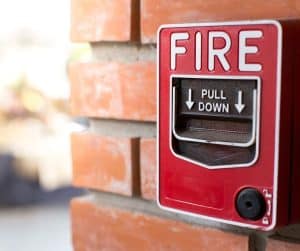
 When a fire alarm goes off, there isn’t time to figure out where to go or who needs help. People respond based on what they’ve practiced. That’s why successful fire drills begin well before anyone hears an alarm.
For employers, HR professionals, and safety leaders, fire drills are one part of a larger emergency preparedness strategy. The goal isn’t simply to evacuate the building. It’s to help every employee respond quickly, safely, and confidently during a real emergency.
Start on day one
Every new hire should know where emergency exits are located, where to gather after evacuating, and what your organization’s emergency procedures require. Reviewing evacuation maps and designated assembly areas early helps employees build familiarity with their surroundings before an emergency occurs.
Early training also sends an important message. Workplace safety is a priority from the first day on the job.
Keep experienced employees engaged
One of the simplest ways to reinforce preparedness is by asking employees occasional questions during routine conversations or safety meetings. Ask questions like:
- Where’s your closest fire extinguisher?
- Which exit would you use if your primary route was blocked?
- Where’s your designated assembly area?
You can also introduce different situations during fire drills. Block a familiar exit and require employees to find another evacuation route. These realistic scenarios help employees practice making safe decisions instead of relying on habit.
Give key team members additional responsibilities
Large workplaces benefit from assigning trained employees to support evacuations. Whether you call them floor captains, sweepers, or emergency coordinators, these individuals help verify areas have been evacuated, assist employees who need help, communicate with leadership, and account for everyone once they reach the assembly area.
Planning ahead is equally important for employees with disabilities or others who need assistance during an evacuation. Assign multiple trained individuals to provide support so coverage isn’t dependent on one person being available.
Build a relationship with your local fire department
One of the most valuable partners in your emergency preparedness efforts is your local fire department. Invite responders to visit your facility before an emergency occurs. Walking through the building helps them become familiar with entrances, exits, evacuation routes, assembly areas, fire protection systems, and site access.
If possible, notify them when you’re conducting a fire drill and invite them to observe. Their perspective helps identify opportunities to improve your emergency procedures while giving responders valuable familiarity with your facility should a real emergency occur.
Learn from every drill
After each drill, gather feedback from supervisors, drill leaders, and employees through email, an electronic survey, or in person. Ask what worked well, what created confusion, and what obstacles people encountered during the evacuation.
Every drill reveals opportunities to improve. One team might identify equipment that should be shut down before evacuating. Another might discover an alarm wasn’t heard in a noisy work area. Share lessons learned with everyone involved and use the information to update your procedures.
Make fire drills part of your safety culture
The most effective fire drills don’t measure success by how quickly people leave the building. They measure whether employees knew what to do, followed established procedures, and evacuated safely. Preparation, practice, and continuous improvement build confidence long before an emergency occurs. When leaders make fire drills a priority and employees understand their role, your organization is better prepared to protect people when it matters most.